From civic squares to historic streets, Manchester and Salford both have strong claims.
The idea of a “No. 10 North” has placed Manchester back at the centre of a familiar national conversation: where major institutions should be based, how cities grow, and what a significant address says about the place around it.
For now, the concept remains hypothetical. Any future location would need to balance practical requirements with civic identity, public access, transport, security and symbolism. Some options would be obvious. Others would be more ambitious and likely to prompt debate. But that is part of what makes the question interesting.
As explored in our guide to Manchester’s central postcodes, the city’s most important addresses are rarely defined by postcode alone. They are shaped by history, connectivity, surrounding neighbourhoods and the role they play in the wider city.
With that in mind, here are some of the streets and civic locations that could make a credible case.
Spinningfields, M3
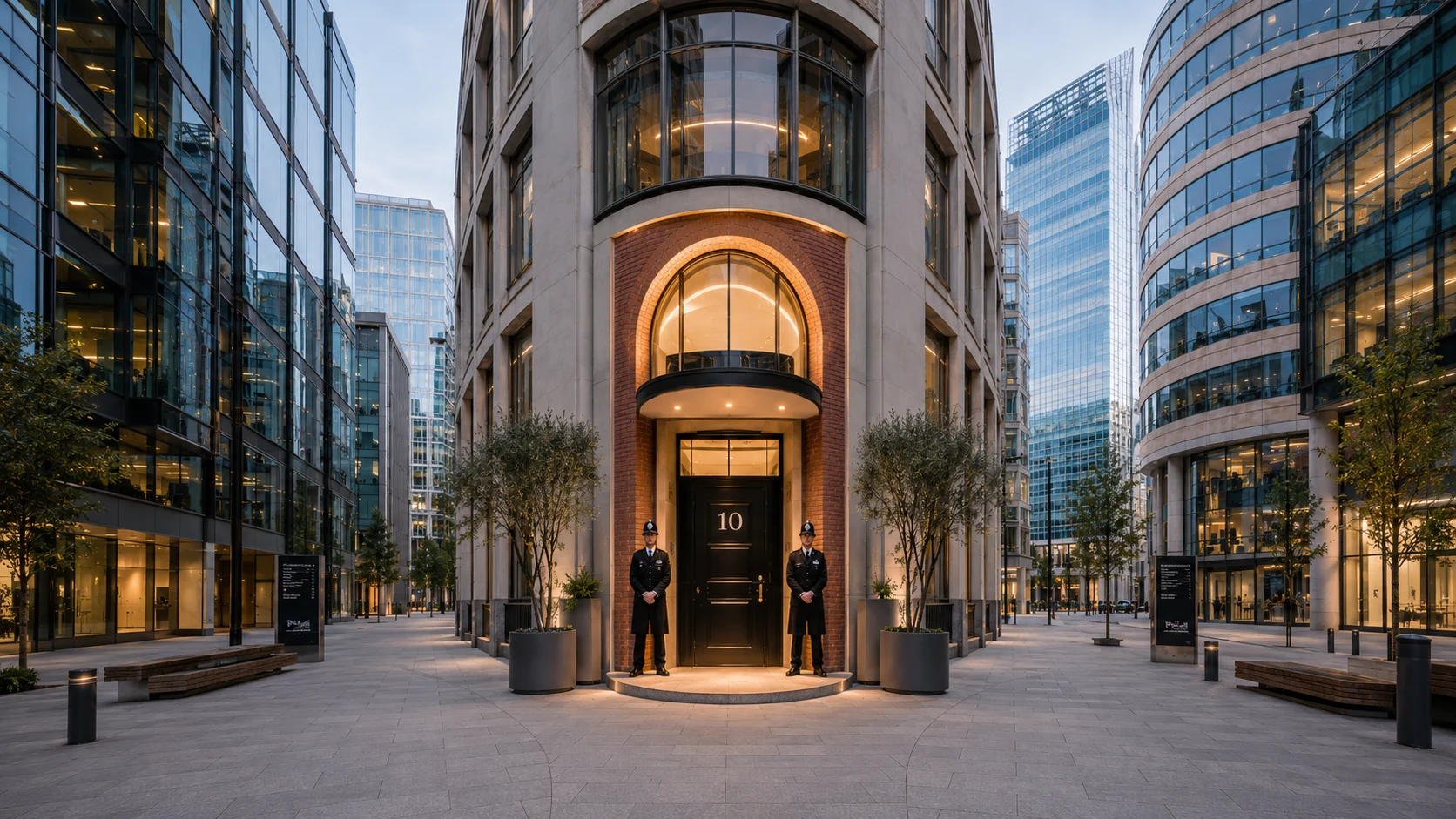
A strong contender for Manchester’s No. 10, Spinningfields already has the polish, profile and sense of arrival you would expect from one of the city’s most established addresses.
Known for its glass-fronted offices, premium restaurants, hotels and public spaces, it has become Manchester’s modern business district. It is where corporate Manchester meets leisure, hospitality and city-centre living, with Deansgate, the River Irwell and some of the city’s most recognisable buildings all close by.
Its case is simple: Spinningfields already feels like an address of influence. It has the visibility, the footfall and the established reputation. If Manchester’s No. 10 were judged on commercial prestige and modern city status, Spinningfields would be difficult to ignore.
Albert Square, M2
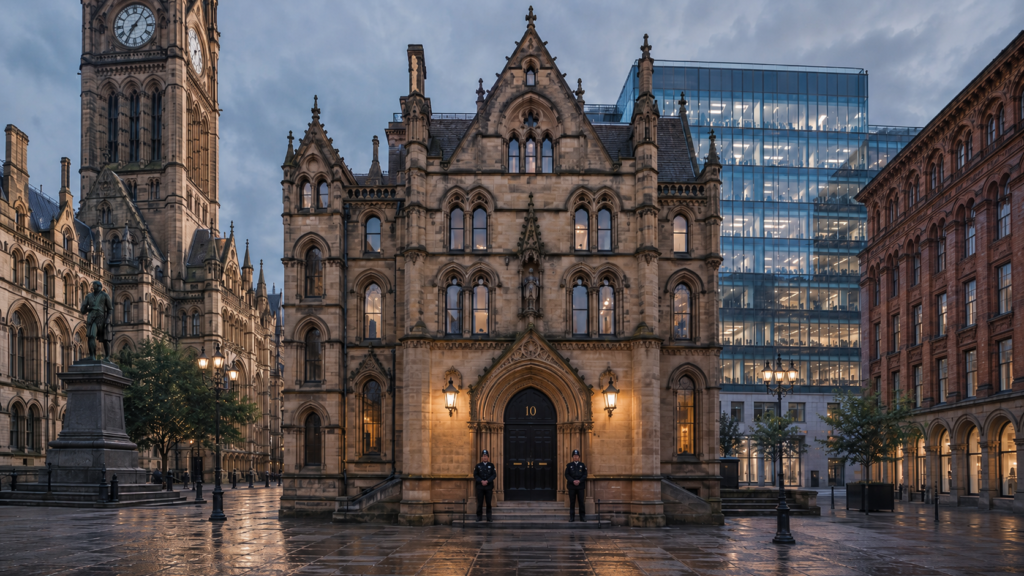
Albert Square is the clearest civic contender.
Surrounded by Mount Street, Lloyd Street and Princess Street, it sits within Manchester’s formal administrative heart. The square has long been associated with public life, civic events and the city’s identity as a place of local government and collective gathering.
For a Manchester No. 10, the appeal is clear. Albert Square is instantly recognisable and already carries a sense of authority. It would require little explanation and would place a northern government presence in one of the city’s most established civic settings.
That obviousness may also be the limitation. Albert Square would be a prestigious, central and formal choice, but perhaps less surprising than some of the other contenders.
Cheetham Hill Road and Great Ducie Street, M3 / M8
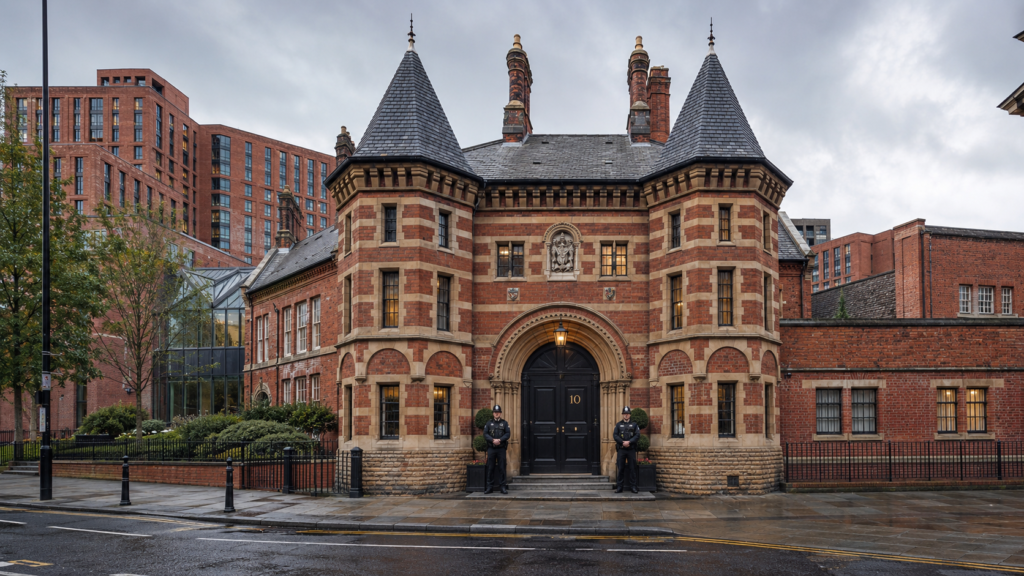
Cheetham Hill Road and Great Ducie Street bring Strangeways into the conversation, an area with deep civic history and significant regeneration potential.
Great Ducie Street was once home to the Manchester Assize Courts, designed by Alfred Waterhouse and completed in the 1860s. The building was one of the city’s most important legal landmarks and gave the area a level of institutional weight that is often overlooked today.
The wider district sits on the northern edge of the city centre, between Victoria, Cheetham Hill, New Cross and the route out towards north Manchester. It is a strategically important area, but also one where any major civic intervention would need to be handled carefully. Strangeways carries complexity, history and regeneration potential in equal measure.
That is exactly why it would be one of the more interesting, and more controversial, hypothetical choices. A No. 10 North address here would not just reflect established civic status. It would signal confidence in an area with a significant past and a still-emerging future.
St Peter’s Square, M2
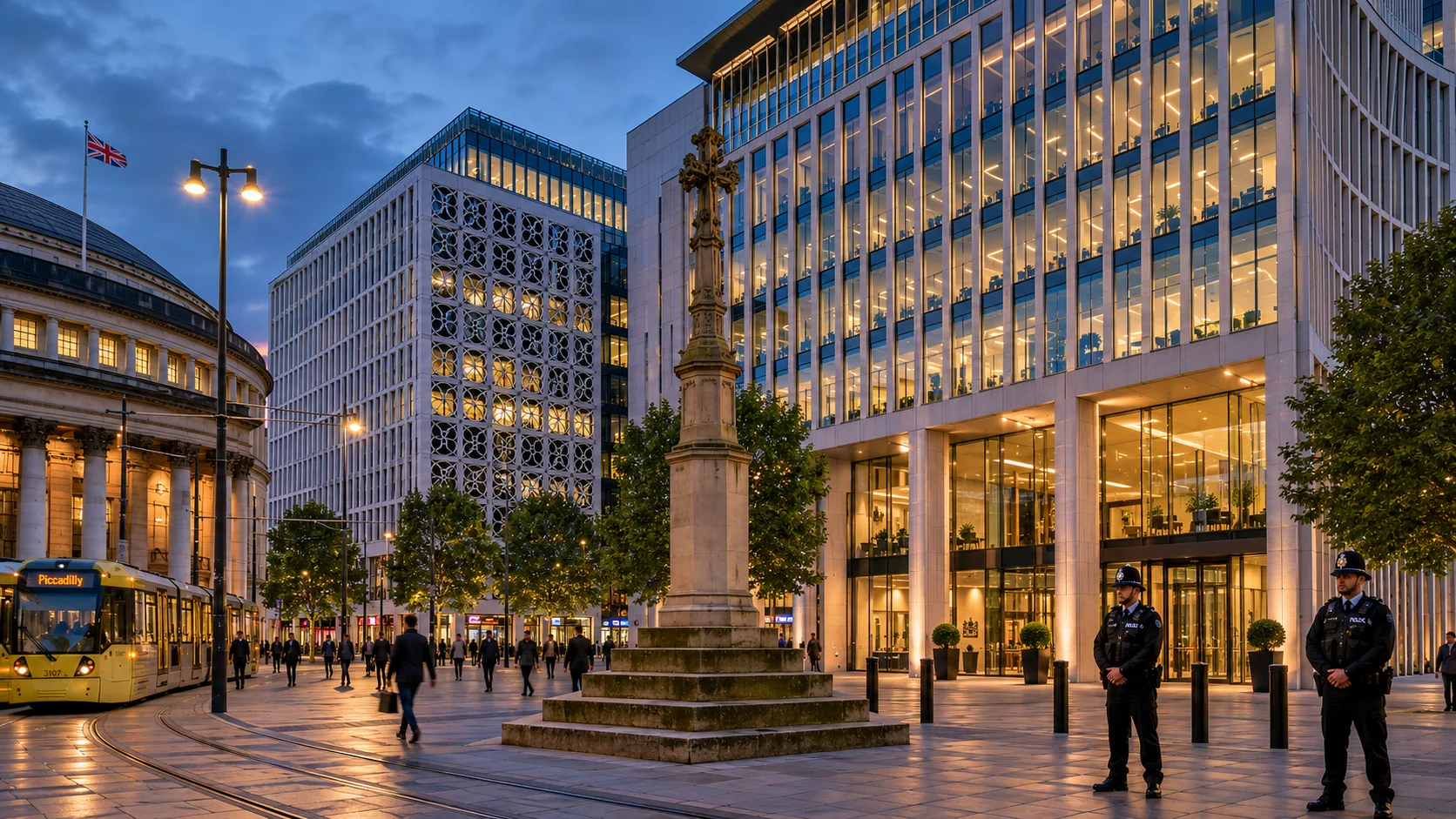
St Peter’s Square has the architecture, transport and civic presence.
It is one of Manchester city centre’s most prominent public spaces, served by Metrolink and surrounded by major professional, cultural and institutional addresses. It also carries historic weight through its association with Peterloo and the wider story of public assembly, reform and civic identity.
As an address, St Peter’s Square would give No. 10 North visibility and formality without feeling removed from the city. It is highly accessible, visually strong and already used to hosting moments of public significance.
It would be a serious contender for any organisation wanting to combine national profile with Manchester’s own civic character.
Deansgate, M1
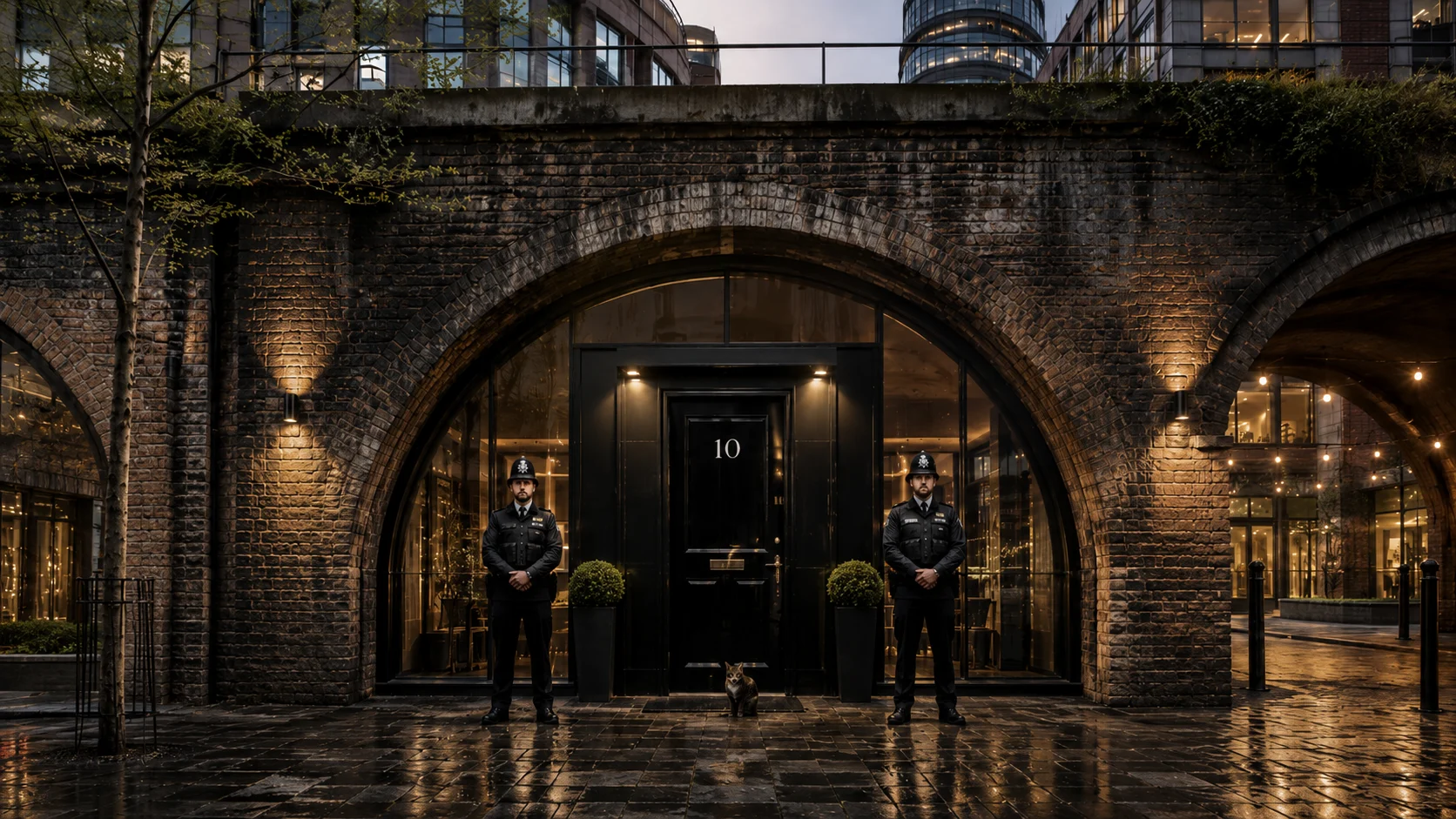
Deansgate has one of the clearest claims of any Manchester address. It is central, recognisable and already carries the weight of the city’s commercial, civic and social life.
Running through the heart of Manchester, Deansgate connects some of the city’s best-known landmarks, offices, hotels, restaurants and residential developments. It has scale, visibility and a long-established sense of importance, while still sitting close to the areas where Manchester continues to grow.
Its case is straightforward: Deansgate already feels like a Manchester power address. It is not hidden away or symbolic for the sake of it. It is prominent, practical and instantly understood. For a No. 10 North, that combination would make it one of the most credible conventional choices.
Salford Quays, M50
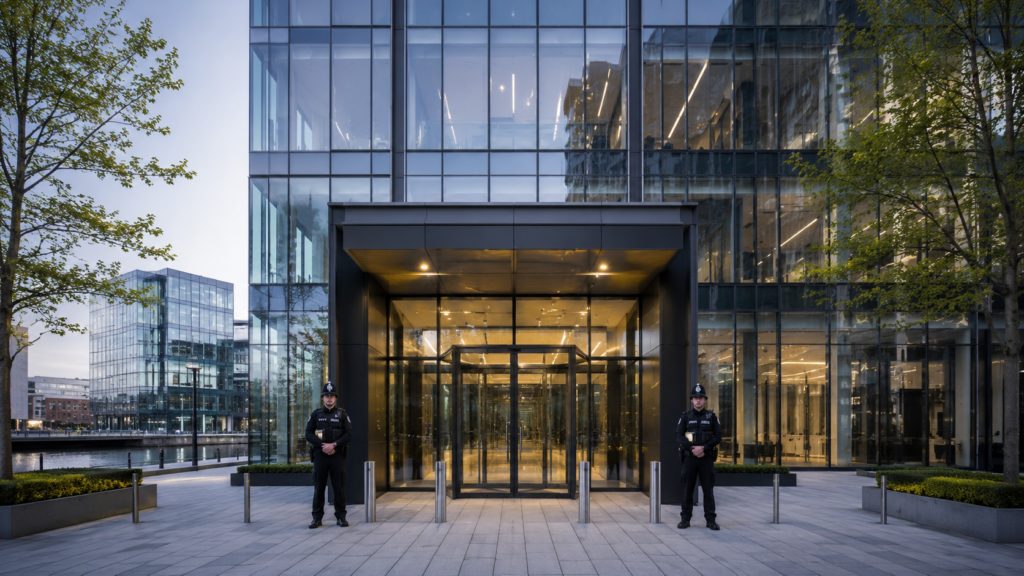
Salford Quays offers a different kind of claim: modern waterfront identity, cultural weight and one of Greater Manchester’s clearest regeneration success stories.
Once defined by its docklands past, the Quays has become a nationally recognised destination, anchored by MediaCity and home to major broadcasters including the BBC and ITV. That gives it a level of institutional presence few other locations can match, alongside its residential communities, hotels, restaurants, cultural venues and public spaces.
Its case is less about traditional political symbolism and more about modern Greater Manchester. A No. 10 North at Salford Quays would sit alongside some of the UK’s most influential media organisations, reinforcing the area’s role as a place where national conversations are already shaped.
Quay Street, M3
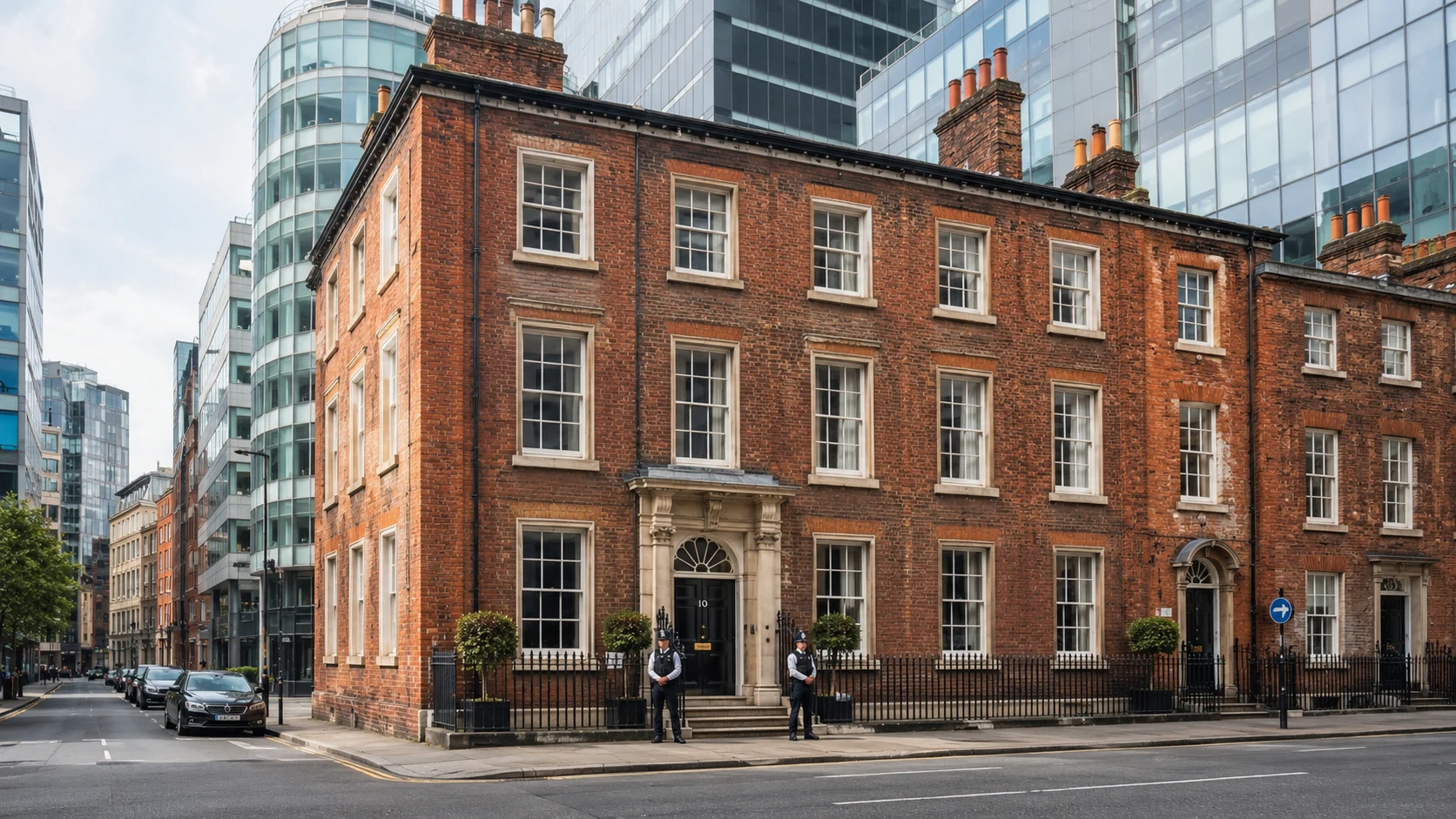
Quay Street has one of the strongest cultural claims.
For generations, Quay Street was one of the country’s most important television addresses. The former Granada Studios site was home to Coronation Street for more than five decades, placing one of the UK’s most recognisable fictional streets in the heart of Manchester.
It also has a more direct No. 10 connection. The old Granada Studios site included a replica of No. 10 Downing Street as part of its studio-tour history, giving the area a ready-made link to the idea of a northern No. 10.
The national profile is not purely symbolic either. In 2010, Granada Studios hosted the UK’s first televised general election leaders’ debate, placing a major national moment directly into a Manchester setting.
Today, the wider St John’s area is being reshaped as a major creative, cultural and residential district. A No. 10 North address on or around Quay Street would connect broadcasting history, national profile, regeneration and modern city-centre living.
Chapel Street and The Crescent, Salford, M3 / M5
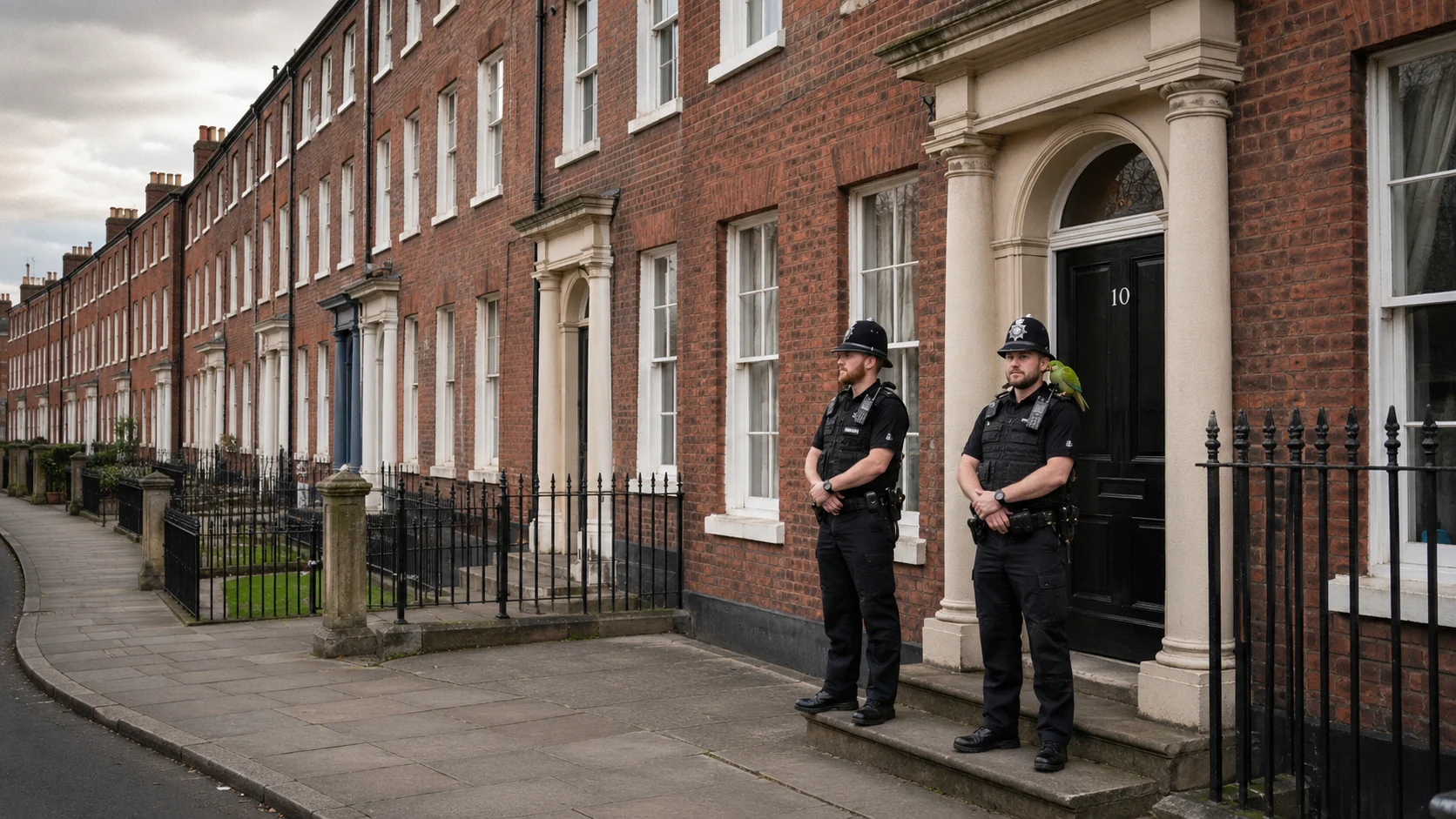
Chapel Street and The Crescent give Salford a strong civic claim.
Chapel Street has long been one of Salford’s key routes, linking the city with Manchester while carrying layers of industrial, political and social history. It has also played a role in the story of urban innovation, including early gas street lighting.
The Crescent adds a different character. Its Georgian setting, green space and proximity to the University of Salford give it a more formal, institutional feel. The area also has a historic Windsor connection, with parts of this side of Salford once known as Windsor or New Windsor, and Windsor Bridge still marking that older identity.
Together, Chapel Street and The Crescent show why Salford should be part of the No. 10 North conversation. Greater Manchester’s influence has never belonged to one side of the Irwell. A location here would recognise Salford’s history, its civic identity and its role in the wider city region.
It would be a bold choice, but not an unserious one.
A Greater Manchester Address
No. 10 North would be more than an office move. The address would need to carry practical, civic and symbolic weight.
Some locations offer instant recognition. Others offer history, regeneration potential or a stronger connection to the future of Greater Manchester as a whole. The most conventional choice would not necessarily be the most meaningful, and the most ambitious choice would inevitably invite debate.
What the shortlist shows is that Manchester and Salford already have the streets, the history and the confidence to support the idea. They are places where heritage and new development are constantly shaping what comes next.
For anyone watching the Manchester property market, the city’s newest developments show exactly why the right address continues to matter.