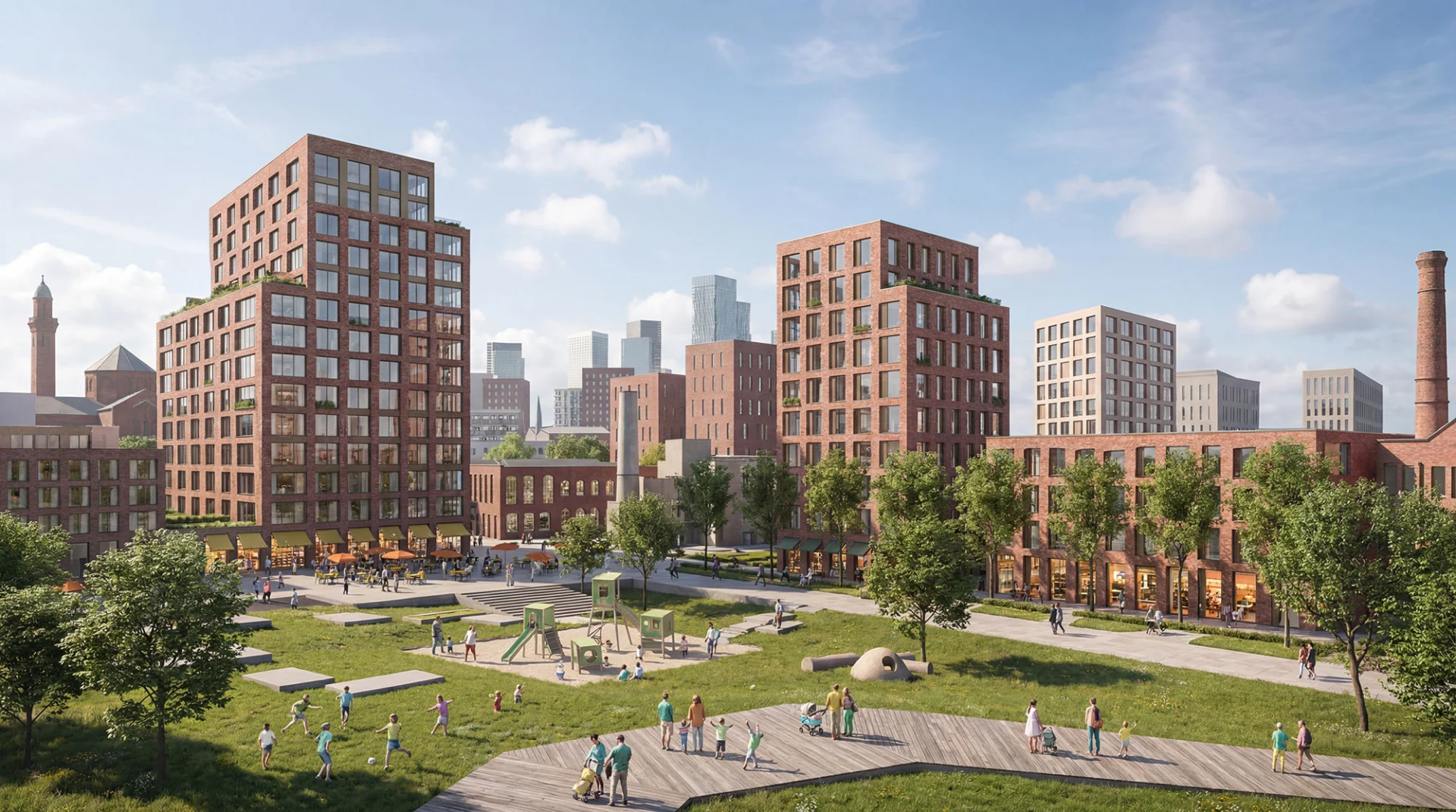
Manchester City Council and Salford City Council signed off the strategic regeneration framework for Strangeways and Cambridge. The framework covers 7,000 new homes, 4,500 new jobs, and a 60-hectare urban park on the northern edge of the city centre. The park alone would be larger than anything else in central Manchester.
Strangeways has been an industrial and wholesale quarter for most of a century, with a creative scene building quietly along its southern edge. The framework formalises what has been forming on the ground.
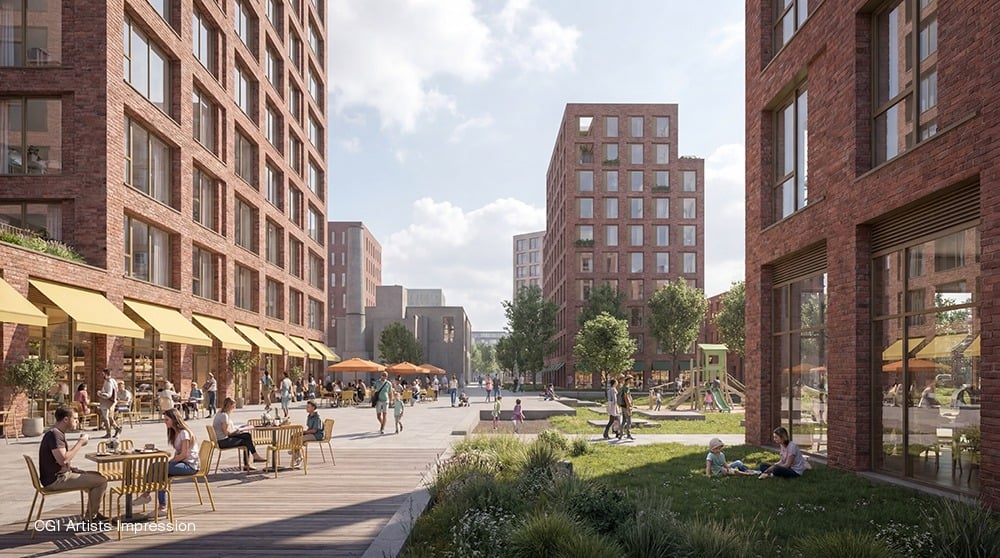
Where the area sits on the curve
Anyone watching Manchester over the past twenty years will recognise this stage of a regeneration. Ancoats was a derelict mill quarter before the first conversations began. The Northern Quarter was cheap and overlooked. Salford Quays was post-industrial dock land. Greengate, where we’re based, was somewhere people walked through to get somewhere else. In each case, an adopted framework met early private investment and the two reinforced each other until the wider area lifted.
Strangeways has the same ingredients. Walking distance to the city centre. Cultural draw already on the ground. A framework now adopted by both councils. Economic numbers that hold up on their own.
What’s already there
The southern fringe sits within the Manchester city centre boundary and is recording the strongest population growth in the wider district, drawing young, highly educated renters. The demographic that has driven Manchester’s rental market for a decade is arriving here first.
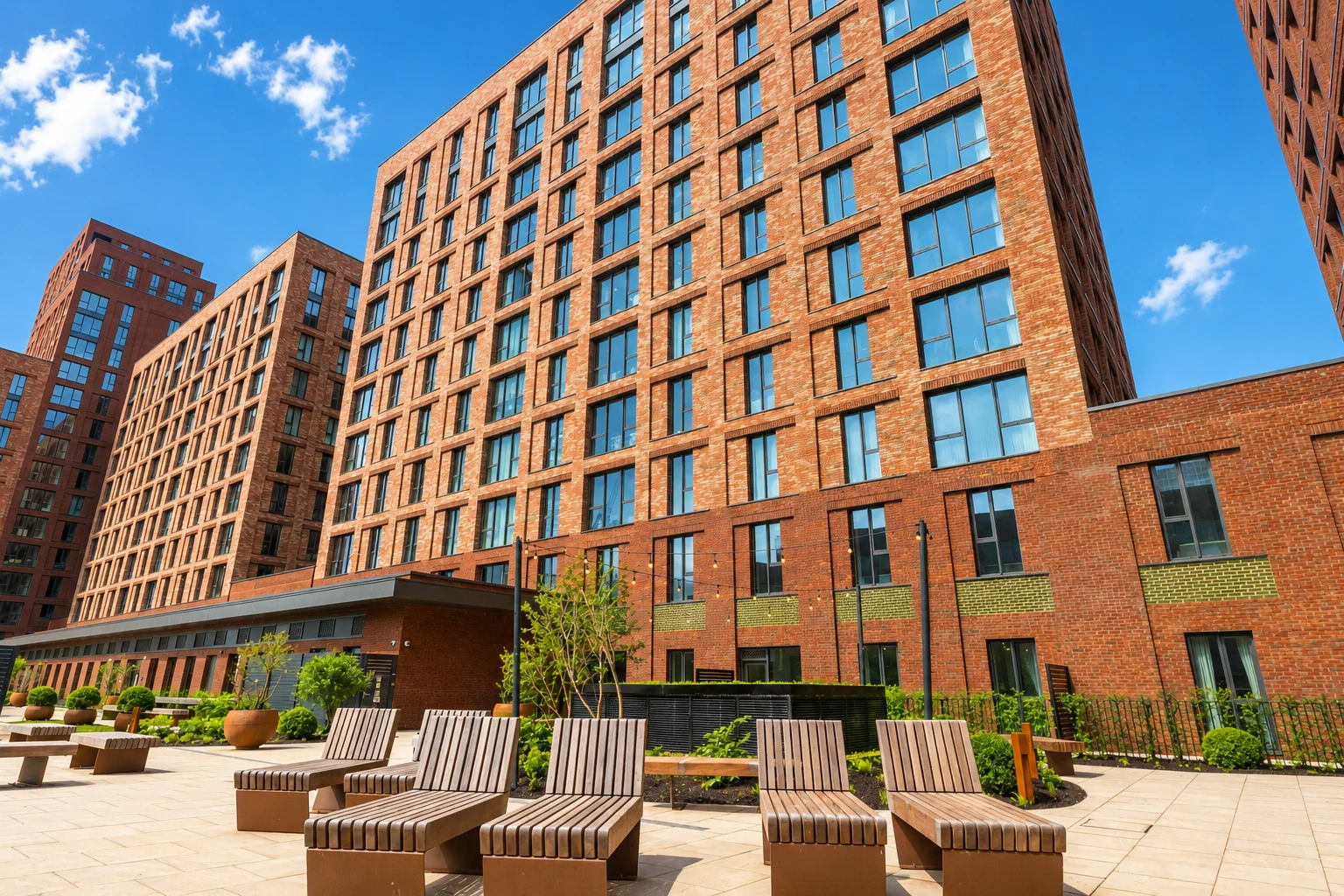
Manchester College’s £100m campus on the former Boddingtons Brewery site has opened, bringing thousands of students through the area each day. The AO Arena is a ten-minute walk south. Hidden, the White Hotel and the Derby Brewery Arms have given the area a name, the Strange Quarter, and a draw that pulls visitors from across Greater Manchester. Independents first, character forming around them, residential demand following. The Northern Quarter began the same way.
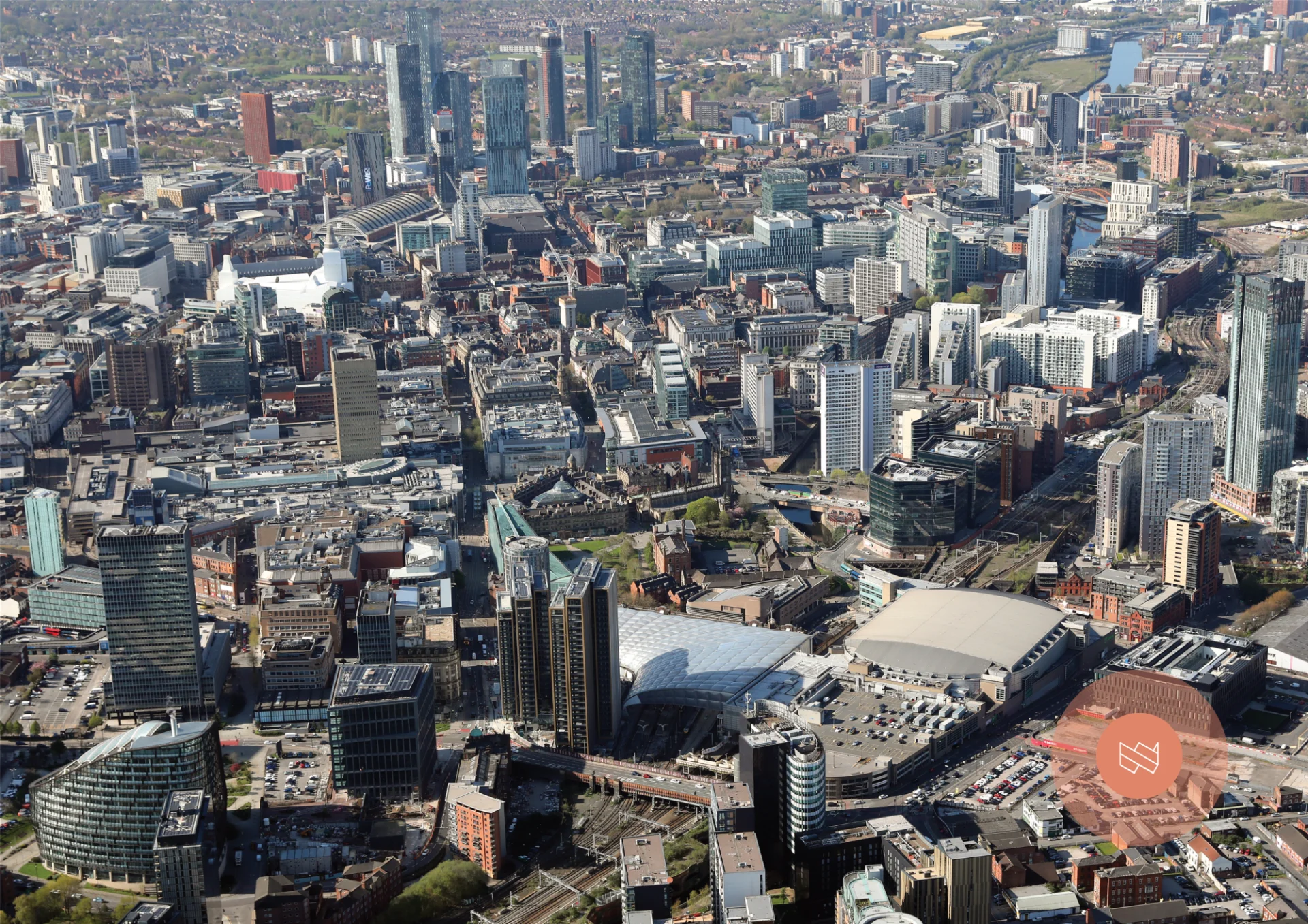
The framework area generates £618m in GVA and supports more than 14,000 jobs, with growth outpacing the Greater Manchester average since 1998. Both councils have now built that base into a long-term plan.
Learn more about Waterhouse Gardens Development.
The London comparisons
The same pattern has played out in London. King’s Cross spent decades as a place people passed through. A long-term framework turned it into one of the city’s most desirable postcodes. Battersea and Nine Elms followed a similar arc on the south bank, with industrial land repurposed around a clear plan and the surrounding character shifting once the framework was in place.
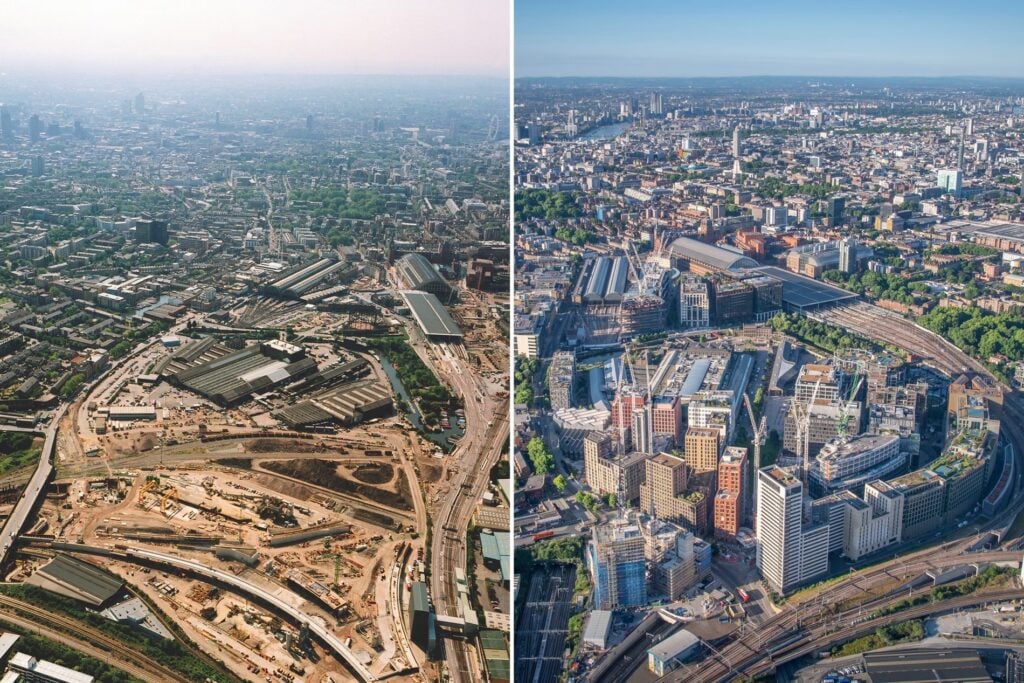
The common thread is timing. In each case, the character of the area was already forming before the formal regeneration arrived. The framework accelerated what was there. The period between sign-off and visible transformation was when the area’s identity, and its place in the city, settled into something new.
Strangeways is in that period now.
To discuss what the Strange Quarter regeneration means for long-term value in this part of Manchester, get in touch with the Salboy team.